Just how to Make the Move to Memory Care Easier for Senior Citizens
Business Name: BeeHive Homes of Draper
Address: 711 Pioneer Rd, Draper, UT 84020
Phone: (801) 495-3100
BeeHive Homes of Draper
Full service assisted living facility serving southern Salt Lake County offering all-inclusive Memory Care, Assisted Living, and Senior/Adult Day Care services.
711 Pioneer Rd, Draper, UT 84020
Business Hours
The transfer to memory care is hardly ever simply a change of address. It is a modification in regular, environments, and, for many families, the psychological rhythm of life. Also when everyone agrees the step is essential, the transition can still really feel heavy. Senior citizens might fear, confused, or immune. Relative frequently lug guilt right together with relief. That mix is common, and it deserves to be handled with care.
What aids most is not a perfect script or a flawless relocating day. It is prep work, perseverance, and a practical understanding of what older adults with memory loss require when their globe changes. A step right into memory care functions best when it is dealt with as a gradual procedure instead of a one-day event. Small decisions made early can ravel tension later, from exactly how you choose a neighborhood to which member of the family brings the favored lamp.
Why the change really feels so difficult
For somebody coping with dementia or one more memory condition, familiar people and familiar environments do a great deal of quiet work. They help with positioning, minimize stress and anxiety, and offer a feeling of control. Take those away rapidly, and even a well-run community can feel upsetting in the beginning. A brand-new hallway can appear endless. A dining room can feel loud. A room that looks comfy to you might really feel international to somebody that is currently struggling to make sense of the day.
Families typically undervalue the psychological influence due to the fact that they focus on logistics. Beds, documents, medication listings, relocating trucks, and packaging products are actual concerns, however they are not the hardest part. The hardest part is usually the loss of regular and the feeling that life is transforming faster than the senior can refine. That is specifically real when the relocation complies with a medical facility stay, an autumn, or a crisis. In those situations, the step may feel abrupt, and abrupt changes have a tendency to be harder on memory care residents than steady ones.
There is also a sensible reason the shift matters so much. A rough initial couple of weeks can form how somebody experiences the entire community. If the step is handled with warmth and predictability, the person is more probable to resolve in, take part, and approve support. If the action is rushed or psychologically disorderly, it can take much longer to adjust.
Start before the relocation, out moving day
The ideal shifts start before boxes are loaded. When possible, visit a number of memory care communities with each other. Let the senior see the dining-room, usual areas, and outdoor areas. Ask whether the community supplies short stays or respite care, since that can be a beneficial means to check the environment without devoting quickly to an irreversible action. Family members searching for memory care near me commonly focus on location first, which makes sense, yet the feel of the area matters equally as long as the address.
If the senior can take part in the choice, let them. Even minimal selections can maintain dignity. They might pick in between 2 spaces, choose which chair to bring, or select the patchwork that remains on the bed. That feeling of participation can reduce resistance later. When a person has memory impairment, control over small points often brings more weight than control over huge decisions.
It also helps to speak with team prior to the relocation. Ask how they generally assist brand-new citizens resolve in. Excellent senior care teams will have a prepare for the very first day, medication timing, mealtimes, and how they present a novice to various other citizens. If the community has a memory care community rather than a basic assisted living floor, ask how team preserve familiarity and connection. The solutions can inform you a great deal concerning whether the atmosphere is a great fit.
Pack for convenience, not perfection
Families commonly overpack due to the fact that they intend to cover every possible need. That is easy to understand, but too much mess can make an area really feel more complex, not less. A much better strategy is to create an area that feels and look acquainted without coming to be crowded. A few purposeful things normally do more great than a wardrobe filled with extras.
The most useful things are frequently the ones with sensory or emotional pull. A favorite sweatshirt. A well-liked blanket. A mounted household image. A familiar clock. A lamp that casts soft light at night. These things can secure the room and help the senior identify it as their own.
A brief packing strategy can maintain points manageable.
- Bring a few plainly familiar valuables that support convenience and orientation.
- Label apparel and crucial products so personnel can assist more easily.
- Keep crucial records, drugs, and contact information in one place.
- Avoid filling the space with breakable or emotional things that are tough to manage.
- Save a 2nd round of items for after the very first week, when you see what is actually useful.
There is a trade-off here. Also few individual products can make the space feeling sterilized. Too many can make it overwhelming. The appropriate equilibrium is typically somewhere between, and that balance may change after the initial visit or first few nights. Families that relocate meticulously frequently discover that what seemed necessary on packing day was never ever touched, while a small basket of familiar publications or a solitary quilt ends up being deeply comforting.
Keep the language simple and reassuring
People with memory loss can notice tone even when they do not process every detail of the conversation. Short, calm explanations work far better than extensive speeches. It is generally far better to state, "We are going to an area where people will certainly assist with dishes and everyday care," than to release right into a complete description of why the relocation is taking place. Repeating the same info in a soft, practical way aids more than arguing or overexplaining.
Avoid requiring contract if the senior is distressed. You do not have to win the debate about whether the relocation is needed. What issues most is reducing fear in the moment. Some relative make the error of attempting to encourage their loved one with reasoning alone. That seldom works well with dementia, due to the fact that the psychological experience of the moment is more powerful than the argument.
Simple peace of mind can sound like this: "You are secure. We are going to take this set action each time. I will be back later." Brief statements provide the individual something strong to hold onto. If the senior asks the exact same concern 5 times in ten minutes, address it patiently each time. The rep is not stubbornness in the common sense. Often it is a sign that the inquiry itself is aiding the individual feel steady.
Plan the very first day with more care than you think you need
Moving day commonly goes far better when it is maintained silent. Large household celebrations can seem like pressure, even when everybody suggests well. A room crowded with relatives, moving companies, and personnel can raise confusion. Frequently, the best action is a small one. A few acquainted faces, memory care beehivehomes.com one or two favored personal belongings, a tranquil handoff to team, and sufficient time to resolve in without a rush.
A familiar routine can make the first day really feel less disorienting. If your loved one suches as coffee in the morning, attempt to maintain that routine. If they generally stroll after lunch, ask whether staff can help with that. If they take pleasure in a certain sort of songs, bring it along. Memory care works best when it feels lived in, not staged.
This is also the point when family members need to be realistic regarding feelings. Some seniors readjust rapidly initially and then come to be upset a few days later on. Others are angry on the first day and then relax when the space really feels familiar. Both patterns are regular. The modification is seldom straight. Personnel in solid elder care areas comprehend this and generally expect a bumpy beginning.
Stay visible, but not overwhelming
Family existence matters in the early days, but there is a distinction between being helpful and hovering. Some elders clear up even more quickly if they recognize a daughter, kid, partner, or relied on friend will visit routinely, particularly throughout the first week. Others come to be a lot more flustered if family maintains leaving and returning simply put ruptureds. There is no solitary right solution, which is why observing the individual's reaction is so important.
A useful rhythm is to keep visits predictable. Rather than dropping in randomly times, try establishing a pattern. Perhaps a brief visit after breakfast, or a longer one in the mid-day. Predictability aids memory care residents recognize that the relationship has not changed even if the place has. It additionally aids staff understand when family members are most likely to be readily available for updates.
When you do visit, concentrate on link rather than correction. An image cd, a preferred tale, folding towels together, or a stroll in the yard can feel much easier than asking great deals of concerns concerning whether they remember where they are. If the senior misremembers something, you do not always need to fix it. Often it is kinder to carefully reroute. The objective is convenience, not a memory test.
Work closely with staff in the initial month
The initial few weeks inform you a lot about whether the positioning is a great fit. Maintain notes on rest patterns, hunger, mood, and signs of stress and anxiety. Share what you notice with staff. If your loved one has a habit of pacing at night, gets confused after loud activity, or does much better with one employee over another, claim so. Small details can boost the top quality of care.

Staff additionally require to recognize the individual behind the medical diagnosis. Share preferred foods, family members traditions, former work, hobbies, and phrases that relieve them. A previous teacher might react to organized regimens. A retired gardener might take pleasure in time outdoors. Someone who functioned nights may not settle into a traditional daytime pattern right now. These details assist senior living teams tailor support in useful ways.
This is one factor families need to not be afraid to ask questions regarding memory care near me alternatives during the option procedure. The best neighborhoods usually invite details inquiries about staffing, interaction, and habits support. Ask how they manage straying, sundowning, showering resistance, and drug modifications. A good solution is not one that appears refined, yet one that seems experienced.
Watch for indicators that the change needs more support
Most seniors need time to clear up in. Still, there are moments when the shift requires extra interest. Continuous rest loss, rejection to eat, significant withdrawal, frequent sobbing, escalating frustration, or sudden wellness changes might indicate that something needs to be resolved more quickly. Occasionally the problem is clinical, not psychological. Pain, infection, dehydration, or medication side effects can look like frustration or complication. That is why close interaction with personnel matters so much during the initial month.
It can aid to assume in terms of pattern instead of one poor day. A single hard mid-day does not suggest the step has stopped working. Yet if the exact same distress repeats without easing, the care plan might need changes. Perhaps the area is too loud. Possibly evenings are the hardest time. Perhaps a various wake-up regimen would help. Memory care need to be receptive, not rigid.
Families sometimes really feel guilty bringing up issues, stressed they will seem demanding. In truth, thoughtful comments belongs to excellent senior care. It offers staff a far better photo of what works and what does not. A lot of care groups favor that families talk early rather than wait until a small concern comes to be a bigger one.
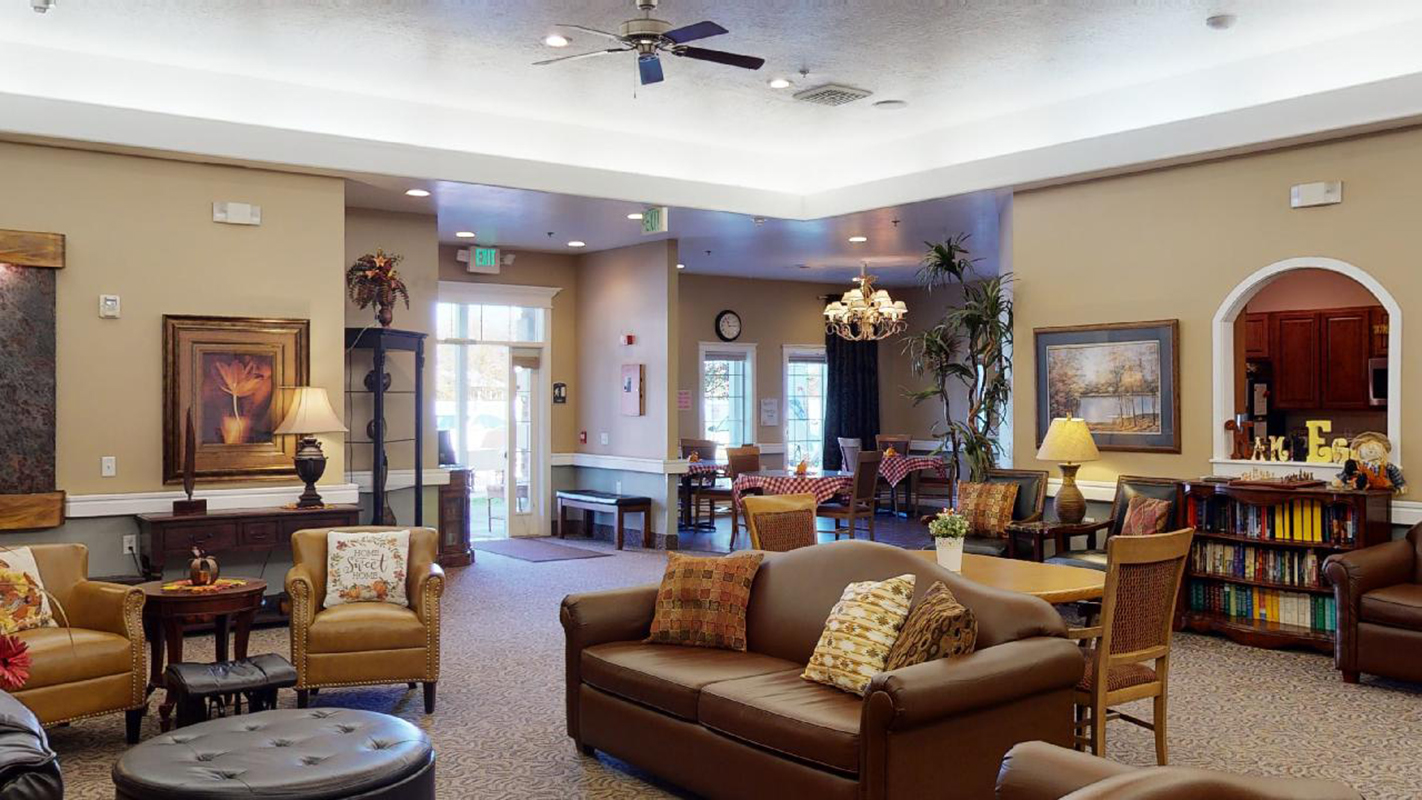
Keep your own footing too
Caregiver tension does not disappear as soon as a move is made. In some cases it intensifies, since the dilemma has passed and the feelings finally capture up. That is where respite care can matter. Also a short break can aid a relative sleep, believe clearly, and return with even more persistence. If you have been carrying elder care duties for months or years, your very own power becomes part of the equation now.
It is also normal to regret the old role. You may have invested years assisting with costs, dishes, appointments, and safety checks. A memory care step does not remove that bond. It changes the form of it. Some households really feel eased once their loved one is in a setup with 24-hour assistance. Others feel that relief and unhappiness at the same time. Both reactions can be true. Neither ways you made the wrong choice.
That psychological intricacy is one reason good neighborhoods matter so much. A thoughtful memory care setting does greater than monitor. It develops day-to-day structure, uses involvement, and reduces the stress on family members to deal with every little thing alone. For numerous houses, that change is what makes the move sustainable.
When the move goes far better than expected
Some elders amaze their families. They settle faster than any person forecasted. A previous homebody starts chatting with staff at lunch. A person that stood up to the action starts asking for help with the activities calendar. These minutes do occur, and they deserve observing. They do not erase the difficulty of the change, but they advise everyone that modification can open small windows of alleviation and even pleasure.
That is just one of the quiet truths of memory care. A good placement does not restore the past, and it does not make the step pain-free. What it can do is decrease day-to-day friction sufficient for a person to experience comfort, safety, and link once again. A space that once seemed unknown can end up being the place where acquainted routines return. A table can come to be a stable component of the day. A caretaker's voice can end up being guaranteeing in the very best possible way.
If you are looking for senior living near me and trying to decide whether memory care is the ideal action, it helps to look past sales brochures and brightened tours. Pay attention to just how personnel talk with homeowners, exactly how they reply to confusion, and whether the atmosphere really feels calm instead of busy for the sake of being hectic. Those details frequently tell you greater than any kind of facility list.
Moving into memory care is a major life change, however it does not need to feel like a sudden break. With the right prep work, a thoughtful group, and a little patience with the very first untidy days, the shift can become gentler than it first shows up. The objective is not to make it ideal. The goal is to assist the senior feel secure, acknowledged, and in the house, one ordinary day at a time.
BeeHive Homes of Draper provides assisted living care
BeeHive Homes of Draper provides memory care services
BeeHive Homes of Draper provides respite care services
BeeHive Homes of Draper supports assistance with bathing and grooming
BeeHive Homes of Draper offers private bedrooms with private bathrooms
BeeHive Homes of Draper provides medication monitoring and documentation
BeeHive Homes of Draper serves dietitian-approved meals
BeeHive Homes of Draper provides housekeeping services
BeeHive Homes of Draper provides laundry services
BeeHive Homes of Draper offers community dining and social engagement activities
BeeHive Homes of Draper features life enrichment activities
BeeHive Homes of Draper supports personal care assistance during meals and daily routines
BeeHive Homes of Draper promotes frequent physical and mental exercise opportunities
BeeHive Homes of Draper provides a home-like residential environment
BeeHive Homes of Draper creates customized care plans as residents’ needs change
BeeHive Homes of Draper assesses individual resident care needs
BeeHive Homes of Draper accepts private pay and long-term care insurance
BeeHive Homes of Draper assists qualified veterans with Aid and Attendance benefits
BeeHive Homes of Draper encourages meaningful resident-to-staff relationships
BeeHive Homes of Draper delivers compassionate, attentive senior care focused on dignity and comfort
BeeHive Homes of Draper has a phone number of (801) 495-3100
BeeHive Homes of Draper has an address of 711 Pioneer Rd, Draper, UT 84020
BeeHive Homes of Draper has a website https://beehivehomes.com/locations/draper/
BeeHive Homes of Draper has Google Maps listing https://maps.app.goo.gl/LgtrXf95hQFVgKrY8
BeeHive Homes of Draper has Facebook page https://www.facebook.com/BeeHiveDraper/
BeeHive Homes of Draper won Top Assisted Living Homes 2025
BeeHive Homes of Draper earned Best Customer Service Award 2024
BeeHive Homes of Draper placed 1st for Utah Senior Living Communities 2025
People Also Ask about BeeHive Homes of Draper
What is BeeHive Homes of Draper Living monthly room rate?
Our monthly rates for both Assisted Living and Memory Care at BeeHive Homes of Draper are thoughtfully designed to be all-inclusive. While pricing reflects each resident’s unique care needs, families appreciate that once a rate is established, it remains stable - no hidden fees or surprise increases as care evolves. We believe in clarity, consistency, and peace of mind
Can residents stay in BeeHive Homes of Draper until the end of their life?
In many cases, yes. We are honored to support residents throughout their journey, including end-of-life care, right here in the comfort of our Draper home. There are rare occasions when medical needs exceed our licensing (such as 24-hour skilled nursing) but we’ll always guide families through any transition with care and compassion
Do we have a nurse on staff?
Yes, we do. Our Registered Nurse, Jacque Parker, R.N., works closely with local home health nurses and house-call physicians to coordinate excellent care. This collaboration allows us to meet a wide range of health needs right here at home
What are BeeHive Homes of Draper's visiting hours?
We know how important it is to stay close to loved ones. That’s why visiting hours at our Draper home are flexible and designed around what works best for the resident. You’re welcome to visit during the day... just try not to come to early and stay too late
Do You Offer Rooms for Couples?
Yes, we do! BeeHive Homes of Draper offers select suites for couples who wish to continue living together while receiving care. These shared accommodations preserve comfort and connection while ensuring both individuals get the personalized support they need. Availability is limited, so reach out to learn more
Do You Provide Senior Day Care or Respite Services?
Absolutely. Our senior day care and short-term respite care options are perfect for families who need extra help during the day or while traveling. Guests enjoy the same high-quality care, engaging activities, and home-cooked meals as our full-time residents, all in a safe, social environment. We’ll help you find a care plan that fits your schedule and your loved one’s needs.
What’s the Difference Between Assisted Living and Memory Care?
Assisted living is best for seniors who benefit from help with daily activities but still enjoy socializing and independence. Memory care is a more structured service tailored to individuals with Alzheimer’s or other cognitive conditions, with routines, guidance, and security that support safety and emotional well-being.
Where is BeeHive Homes of Draper located?
BeeHive Homes of Draper is conveniently located at 711 Pioneer Rd, Draper, UT 84020. You can easily find directions on Google Maps or call at (801) 495-3100 Monday through Sunday Open 24 hours
How can I contact BeeHive Homes of Draper?
You can contact BeeHive Homes of Draper by phone at: (801) 495-3100, visit their website at https://beehivehomes.com/locations/draper/ or connect on social media via Facebook
The Draper Historical Society provides an engaging local history experience that families enjoying Assisted living, memory care, senior care, elderly care, and respite care often appreciate.